

EV Charger Cost and Installation Guide for the Central Coast
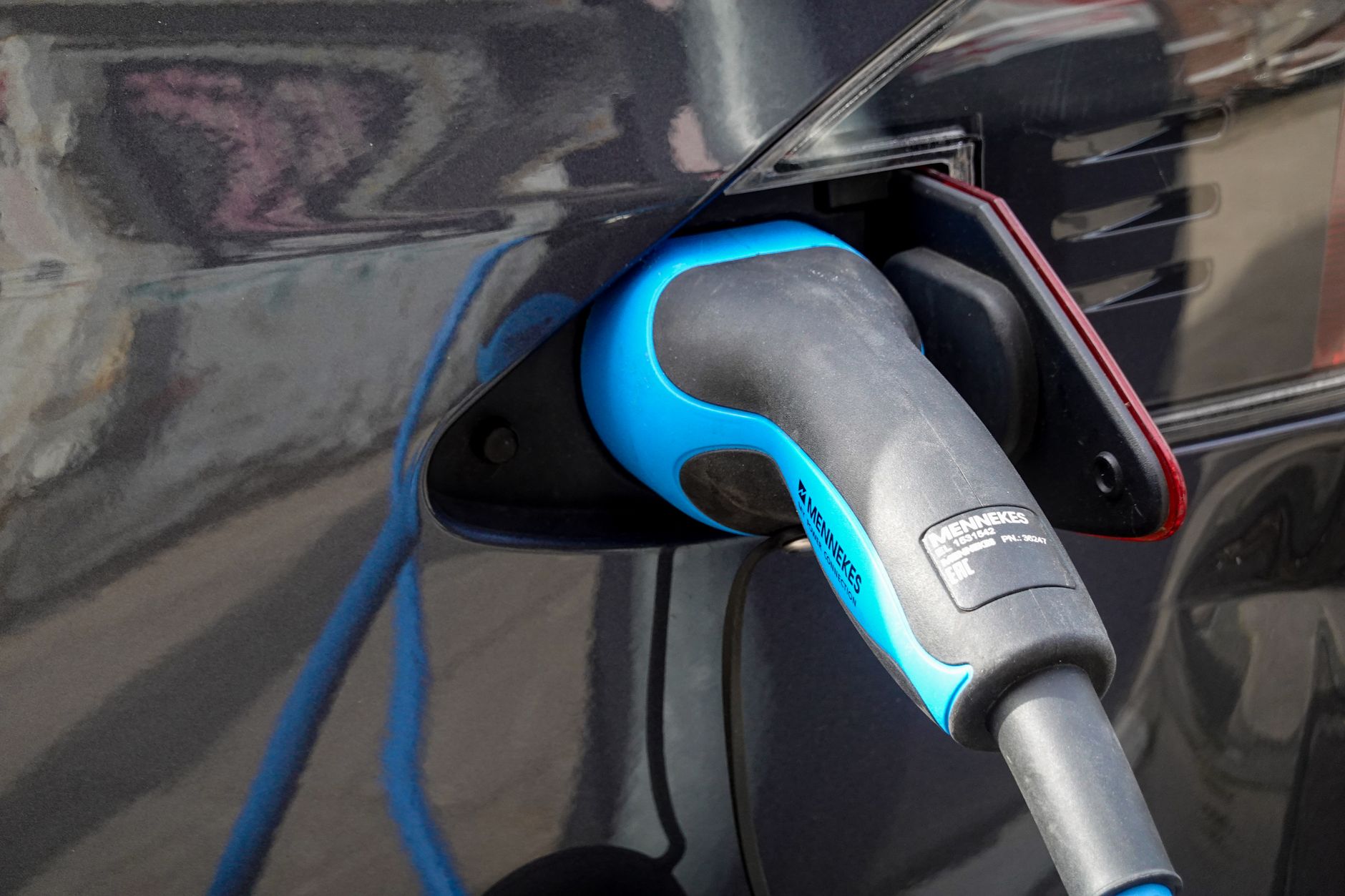
Electric vehicles are appearing in driveways right across the Central Coast, and home charging is where most of the real savings and convenience live. The cost of installing a charger, however, varies widely from one property to the next. A modern home near a switchboard might be a quick job, while an older weatherboard cottage in East Gosford with a detached garage can involve considerably more work. This guide explains the factors that shape EV charger installation costs so homeowners know what to expect before requesting quotes.
Charger type and charging speed
The starting point is the charger itself. A portable charger plugging into a standard power point trickles energy slowly and suits low mileage drivers, but most households opt for a dedicated wall mounted unit. On single phase supply these typically deliver around seven kilowatts, enough to fully charge most vehicles overnight. Three phase homes can support faster units, and some chargers are three phase capable even if initially wired to single phase. Faster hardware and higher capability generally mean a higher purchase price, so matching the charger to actual driving habits, rather than buying the fastest unit available, keeps the project sensible.
Your home's electrical capacity
Every dedicated charger needs headroom in the home's electrical system. An electrician will check the switchboard's age and spare capacity, the size of the consumer mains and whether the supply is single or three phase. Many older homes around East Gosford and Gosford still carry original switchboards that need upgrading before a charger can be safely added, which increases cost but resolves a safety issue at the same time. Where supply capacity is tight, a load management device can throttle the charger when the oven or air conditioner is running, avoiding an expensive supply upgrade. These assessments are exactly why a site inspection beats a phone estimate.
Location and cable run
Distance drives labour. A charger mounted beside the switchboard involves a short cable run, while a garage or carport at the far end of the block may require trenching, conduit and significantly more cable. Wall construction matters too, since running cable through double brick takes longer than through a timber framed wall. Outdoor installations need weatherproof hardware and appropriate mounting positions away from damage. Households planning solar, a battery or a future granny flat should mention it, because a qualified electrician can size conduit and cabling once rather than digging twice.
Smart features and solar integration
Many chargers now include scheduling, usage tracking and app control, and some can follow rooftop solar output so the car charges mainly on surplus sunshine. Solar tracking chargers cost more upfront but pair beautifully with the systems common across the Central Coast, turning exported energy into transport. Chargers supporting open communication standards also position the home for future demand response programs. As with speed, features add cost, so the best value comes from choosing the capabilities a household will actually use. Off peak scheduling alone delivers most of the everyday savings, since the car quietly fills up during the cheapest hours while the household sleeps, and it requires nothing more than a charger with a basic timer function.
Compliance, approvals and safety
EV chargers must be installed on a dedicated circuit with appropriate protection under the AS/NZS 3000 wiring rules, and the work must be performed by a licensed electrician who issues a compliance certificate. Ausgrid, the network operator for the region, has notification requirements for connecting chargers, and larger or managed installations may involve additional approval steps. These compliance items are part of a professional quote rather than optional extras, and they protect both the household and any future property sale.
Frequently Asked Questions
Does an EV charger need its own circuit?
Yes. A dedicated wall charger draws a sustained high load for hours at a time, so it must run on its own protected circuit from the switchboard. Sharing a circuit with other appliances is unsafe and non compliant, and it is one reason portable charging from ordinary power points is treated only as a backup method.
Can a single phase home run a fast charger?
A single phase home can comfortably support a charger of around seven kilowatts, which adds substantial range overnight and covers the needs of most drivers. Faster charging requires three phase supply, and upgrading from single to three phase is a larger project that only occasionally makes sense for home charging alone.
How long does an EV charger installation take?
A straightforward installation near the switchboard is often finished within half a day. Longer cable runs, trenching to detached garages or switchboard upgrades extend the timeframe. The electrician should confirm scope during the initial site assessment so the installation day itself holds no surprises.
Is network approval needed to install a home charger?
In the Ausgrid area, connection requirements depend on the charger's size and configuration, and the installing electrician handles any required notifications or applications as part of the job. Homeowners rarely need to deal with the network directly, but the step should never be skipped.