
Home Battery Storage in East Gosford: What to Know Before You Buy
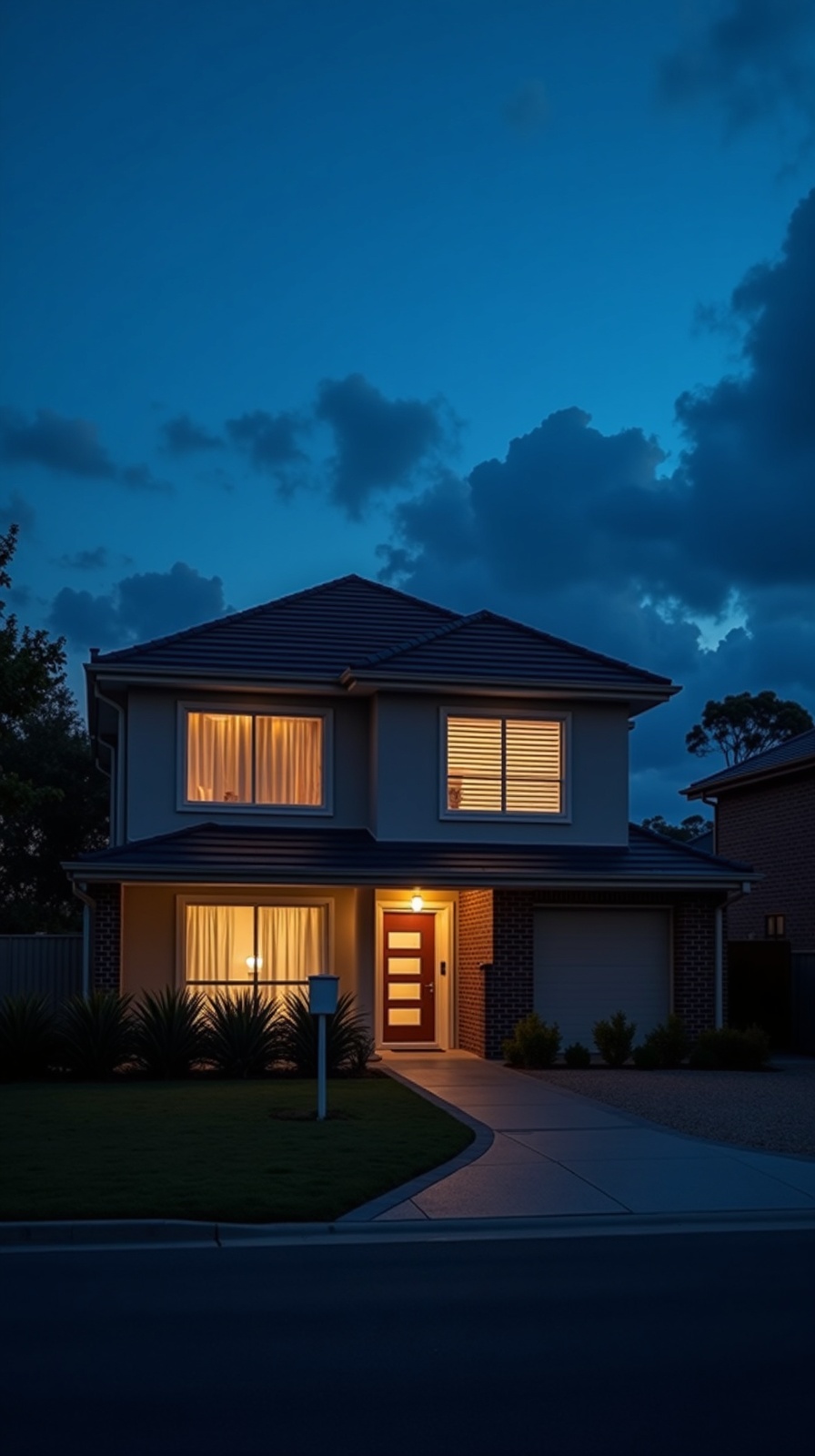
When a summer storm rolls across Brisbane Water and the power drops out, the difference between houses in East Gosford is becoming easy to spot. Some go dark, and some barely notice. Home battery storage is the reason, and with electricity feed in tariffs shrinking while evening usage rates climb, more Central Coast households are asking whether a battery deserves a place on the wall of the garage. This guide walks through how batteries work alongside solar, where they can legally be installed, and what really drives the price of a system.
How a Home Battery Works With Solar
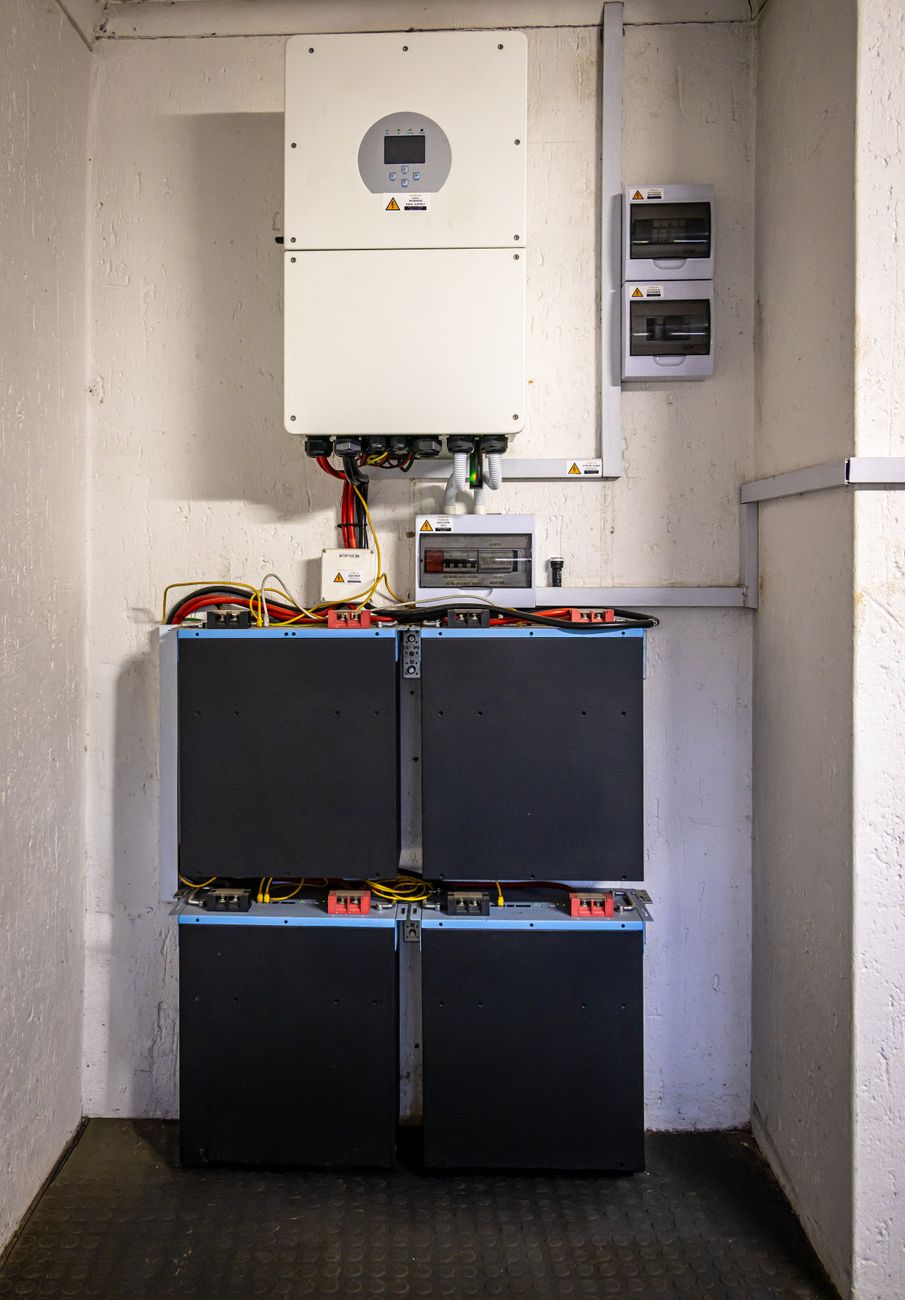
A battery does one simple job: it captures electricity when it is cheap or free and releases it when grid power is expensive. For a home with rooftop solar, that means soaking up the surplus generated through the middle of the day instead of exporting it for a modest feed in credit, then powering the house through the evening peak when everyone is cooking dinner and running air conditioning.
Charging Through the Day
On a typical sunny Central Coast day, a well sized solar system produces far more energy between mid morning and mid afternoon than the household uses. Without a battery, that surplus flows to the Ausgrid network. With one, the battery fills first, and only genuine excess is exported. Smart systems can also charge from the grid overnight on cheap tariffs, which is handy through winter when solar output dips.
Backup Power During Outages
Not every battery keeps the lights on in a blackout, and this catches many buyers out. Backup capability requires specific hardware and wiring so the home can safely disconnect from the grid, and installers usually configure it to support essential circuits such as the fridge, lighting and internet rather than the whole house. For a suburb where storms and the occasional network fault interrupt supply, that resilience is often the deciding factor.
Where a Battery Can Be Installed Under Australian Rules
Battery placement is tightly governed by the Australian standard for battery installations, AS/NZS 5139, together with the general wiring rules in AS/NZS 3000. Batteries cannot be installed in habitable rooms, in ceiling spaces or under stairways, and they need clearance from windows, doors, hot water units and anything else that could be affected in a fault. Garages and external walls are the usual homes for them, with external units needing a weatherproof rating and, ideally, shade from harsh western sun.
The coastal environment adds its own considerations. Salt air around Brisbane Water is hard on enclosures and terminals, so an outdoor battery in East Gosford should carry a suitable corrosion rating, and a sheltered position will always extend its life. A site assessment by a licensed East Gosford electrician will identify compliant locations, confirm the switchboard can accept the extra circuits, and flag whether the existing solar inverter is compatible or whether a hybrid inverter is required.
What Affects the Cost of Home Battery Storage
Battery quotes vary more than almost any other electrical work, and understanding the drivers makes comparisons far easier. Storage capacity, measured in kilowatt hours, is the largest single factor, since a bigger battery simply contains more cells. The chemistry and brand tier matter next, followed by whether the system is a simple DC coupled addition to a compatible inverter or a full AC coupled retrofit requiring its own inverter hardware.
Installation variables stack on top. A long cable run between switchboard and battery, the need for a switchboard upgrade, backup circuit wiring, mounting on brick versus weatherboard, and any trenching or conduit work all add labour. Government support also shifts the equation, with federal battery incentives and periodic New South Wales schemes reducing the effective outlay for eligible systems. A reputable installer will show the workings rather than quoting a single mysterious figure, and will size the battery to actual evening consumption instead of simply selling the biggest unit available.
Frequently Asked Questions
Can a battery be added to an existing East Gosford solar system?
Usually, yes. AC coupled batteries work alongside almost any existing solar installation because they have their own inverter. If the current solar inverter is a hybrid model, a DC coupled battery may connect directly. An electrician can confirm compatibility during a site inspection.
How long does a home battery last?
Most lithium based home batteries are warranted for around ten years or a defined amount of energy throughput, whichever comes first, and many keep working beyond that with reduced capacity. Keeping the unit out of direct sun and extreme heat helps it reach the far end of that range.
Is a battery worthwhile without solar panels?
It can be, though the case is weaker. A battery alone can charge on cheap overnight tariffs and discharge during the evening peak, and it still provides blackout protection. Pairing it with solar delivers the strongest savings because the daytime charging energy is effectively free.
Does a home battery need council approval in New South Wales?
Standard residential battery installations do not require development approval in most cases. What matters is compliance with AS/NZS 5139 placement rules, Ausgrid connection requirements for grid connected systems, and installation by an appropriately accredited and licensed electrician who issues the correct certification on completion.
Store Your Solar, Beat the Blackouts
Get a free, no obligation quote from a licensed local electrician serving East Gosford and the Central Coast.