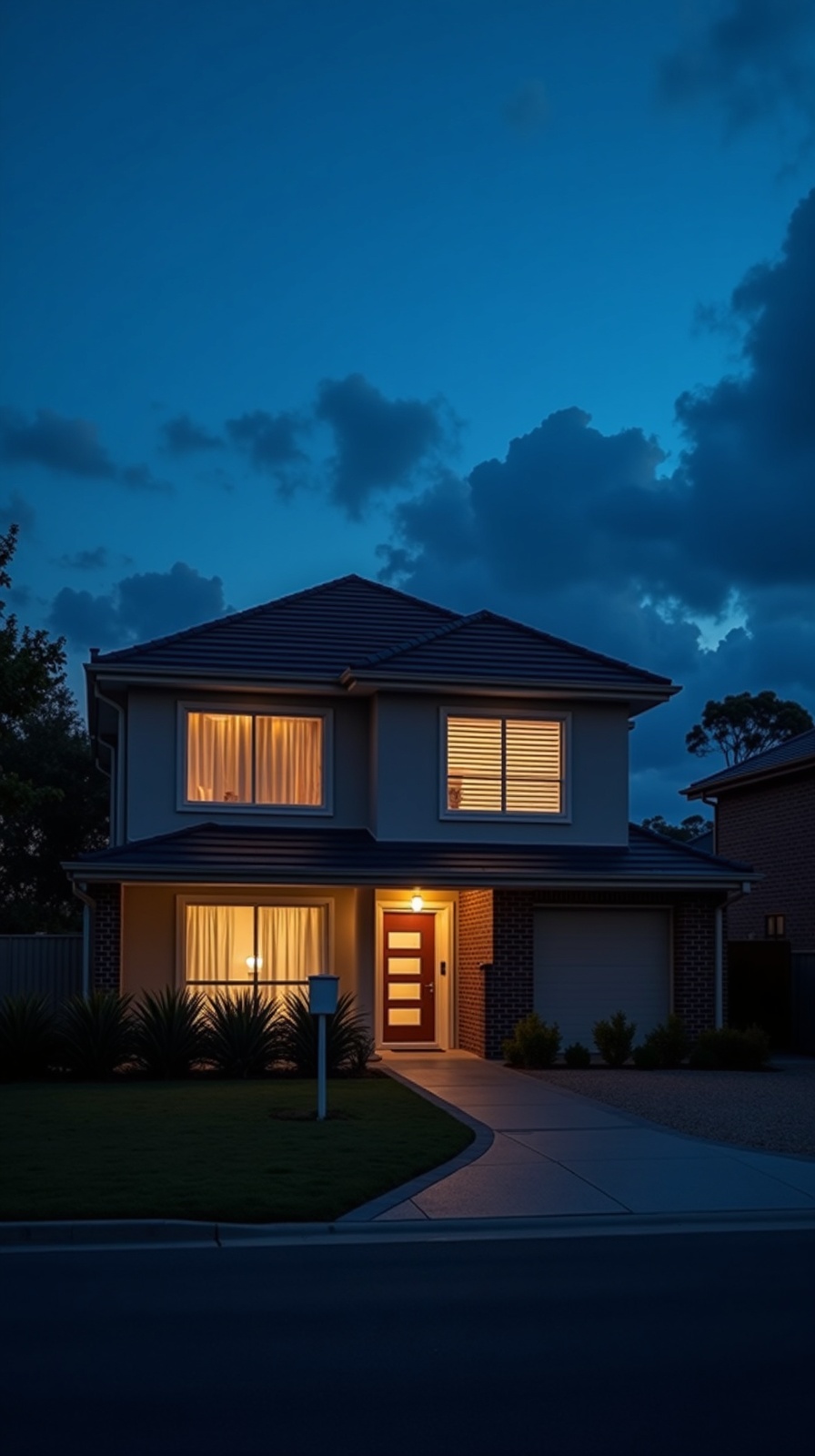

Home Rewiring in East Gosford: Signs, Safety and What to Expect
Behind the tidy facades of East Gosford's older streets, plenty of homes are still running on wiring installed when television was black and white. The suburb's charming 1950s to 1970s brick and weatherboard houses were built for a handful of lights and a radio, not for induction cooktops, ducted air conditioning and a device charging on every bench. Ageing wiring is one of the leading causes of house fires in Australia, which makes rewiring less a renovation luxury and more a safety decision. Here is how to recognise when a home needs it and what the work actually involves.
Why Older East Gosford Homes Reach the Rewiring Stage
Wiring does not last forever. Homes from the middle of last century were often wired with rubber or cotton insulated cables, and both materials become brittle and crumble with age, especially in hot ceiling cavities. Once insulation cracks, bare conductors can sit millimetres from timber framing or ceiling insulation. The humid, salty air that drifts across the suburb from Brisbane Water accelerates corrosion on old terminals and junctions, and decades of possums, rodents and rough handling by past tradespeople add their own damage.
Beyond physical decay, old installations simply lack modern protection. Many still have no safety switches on power or lighting circuits, meaning a fault that would trip instantly in a new home can instead deliver a fatal shock. Circuit counts are another problem, with entire houses sometimes running on two or three circuits that are chronically overloaded by modern appliance loads.
Warning Signs a Home May Need Rewiring
Some symptoms deserve immediate attention. Frequently blowing fuses or tripping breakers, flickering or dimming lights when appliances start, warm or discoloured power points, a fishy or burning smell near switches, and any tingling sensation from taps or appliances are all classic indicators of deteriorating wiring. A switchboard still fitted with ceramic fuses is a strong hint that the wiring behind the walls is of a similar vintage.
Not every sign means a full rewire, which is why a professional inspection matters. A licensed East Gosford electrician can test insulation resistance, inspect accessible cabling in the roof and subfloor, and give an honest verdict on whether the home needs targeted repairs, staged replacement or a complete rewire. Buyers considering an older property in the area are wise to commission this check before exchange rather than after.
What a Rewire Actually Involves
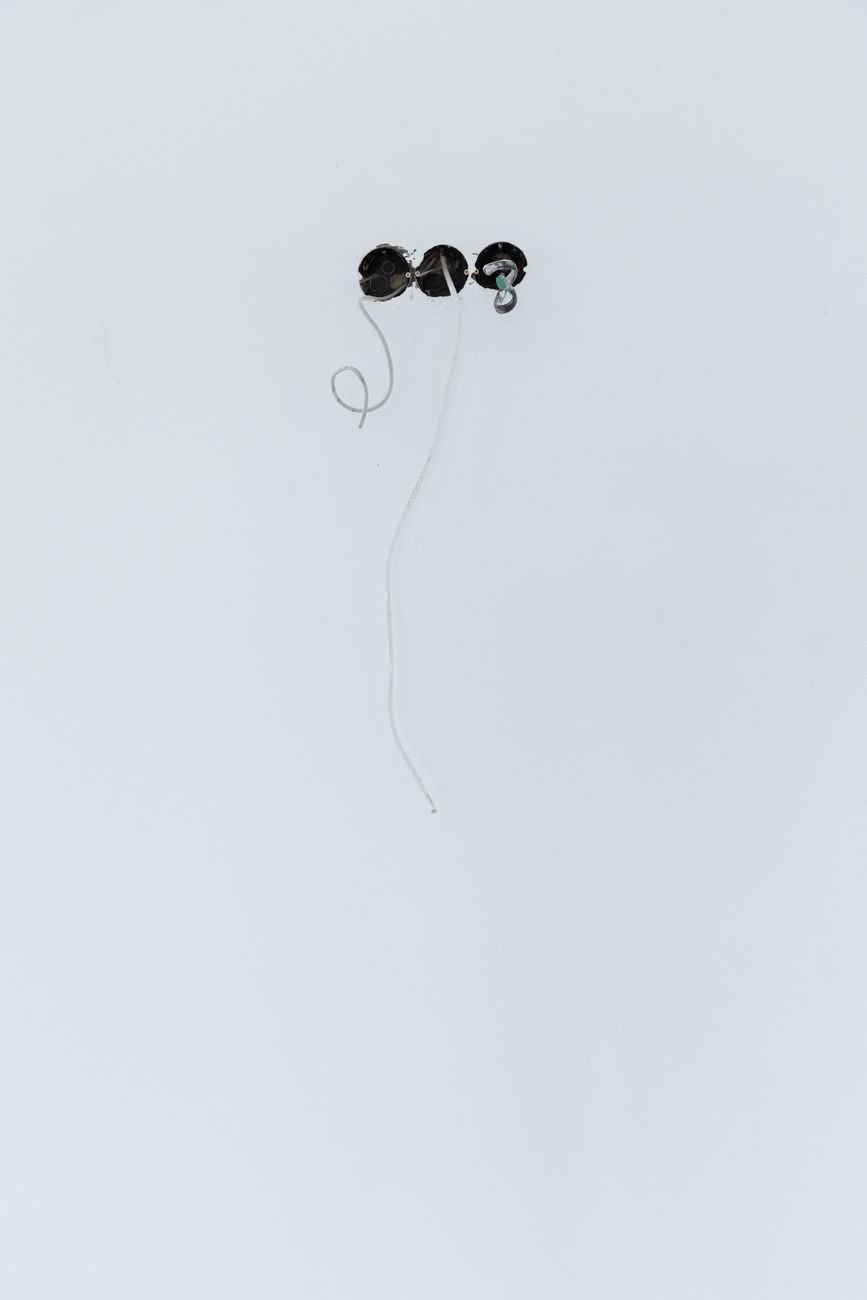
A full rewire replaces every cable, power point, light switch and usually the switchboard itself. The electrician runs new circuits from a modern switchboard through the roof space and wall cavities, taking the opportunity to add the extra power points and dedicated circuits that modern living demands. In brick veneer and weatherboard construction, most cabling can be fished through cavities with only minor and repairable access holes, though solid internal walls occasionally need more creative routes.
The work is normally staged so the household keeps power each night, with circuits swapped over progressively. A typical three bedroom home takes several days to around two weeks depending on access, size and how much of the old installation can be safely left energised during the transition. Dust sheets, careful patching and a thorough clean up should be part of any professional quote, along with clear notes on which walls or ceilings may need minor cosmetic repair afterwards.
Standards, Compliance and What Drives the Cost
All rewiring in New South Wales must comply with AS/NZS 3000, the Australian wiring rules, and the finished job must be certified with a Certificate of Compliance for Electrical Work. Modern requirements include safety switch protection on circuits, adequate circuit separation, and interconnected photoelectric smoke alarms positioned to current standards, which are typically brought up to date as part of the project. If the mains supply from the street also needs replacing, that portion is Level 2 Accredited Service Provider work within the Ausgrid network area, and a good contractor will coordinate it seamlessly.
Cost is driven by the size of the home, the number of circuits and outlets, accessibility of the roof and subfloor, wall construction, whether the switchboard and mains need upgrading, and how much making good is required afterwards. Two storey homes and houses with flat sections of roof are slower to wire and priced accordingly. Reputable electricians will inspect before quoting rather than pricing sight unseen.
Frequently Asked Questions
Is old wiring in a house dangerous even if everything still works?
It can be. Deteriorated insulation and missing safety switches create risks that produce no visible symptoms until the day a fault occurs. Working appliances say nothing about the condition of the cables behind the walls, which is why periodic inspection of older installations is recommended.
Can a family live in the house during a rewire?
Usually, yes. Electricians stage the work so power is restored each evening, and rooms are tackled one section at a time. Expect some short daytime outages, moved furniture and ceiling access, but full relocation is rarely necessary for a standard home.
Does a rewire include the switchboard and smoke alarms?
Almost always. Connecting new circuits to a fuse based board would defeat the purpose, so a modern switchboard with safety switches is standard, and smoke alarms are upgraded to interconnected photoelectric units to meet current New South Wales requirements as part of the job.
Will insurance cover a home with original 1960s wiring?
Policies vary, but insurers increasingly ask about wiring age, and some may decline claims where known deteriorated wiring contributed to a fire. A documented rewire with compliance certification removes that doubt and can strengthen a home's insurability and resale position.
Worried About Your Home's Wiring?
Get a free, no obligation quote from a licensed local electrician serving East Gosford and the Central Coast.