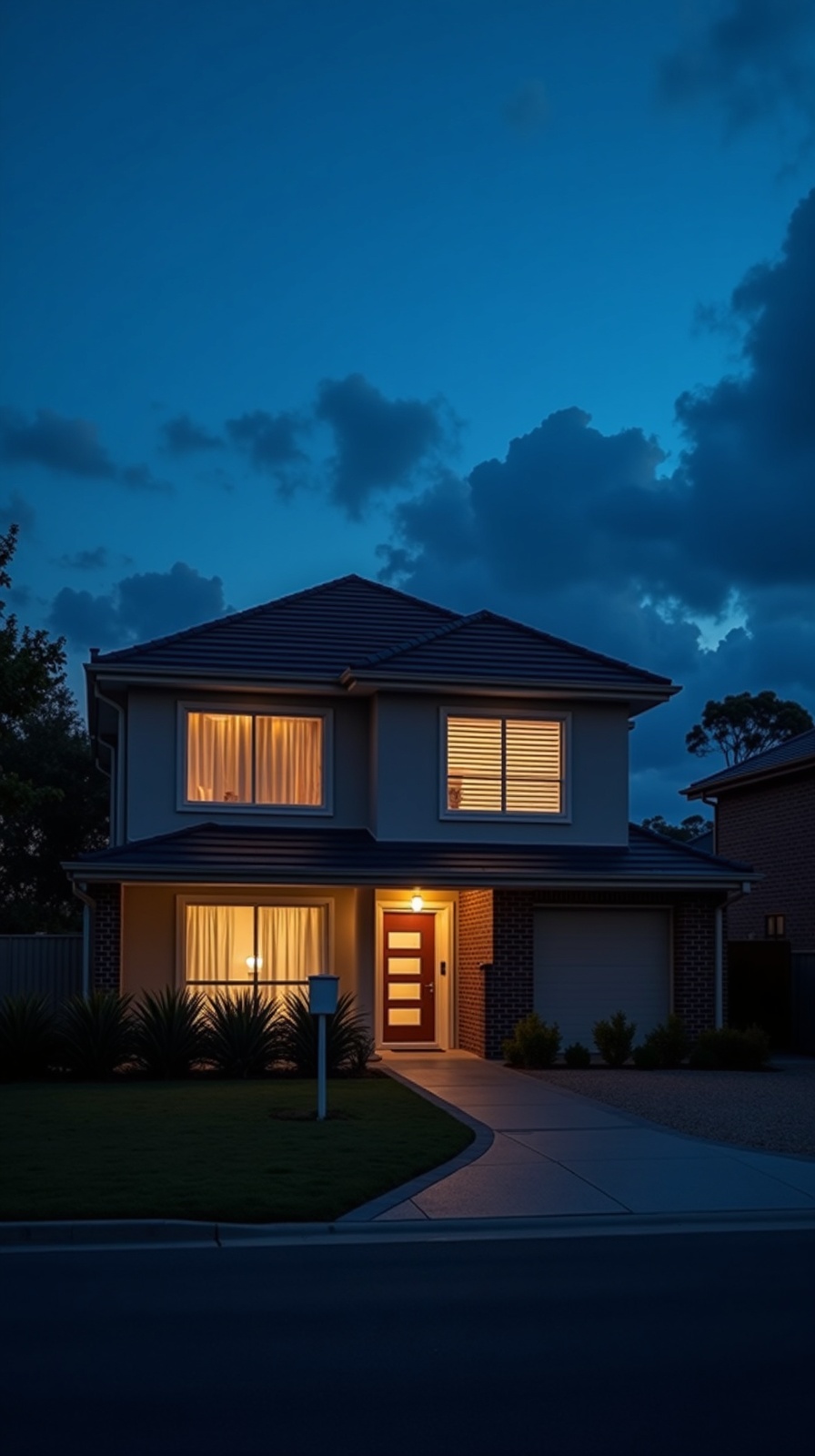

How Much Does a Switchboard Upgrade Cost in NSW? The Factors That Decide It
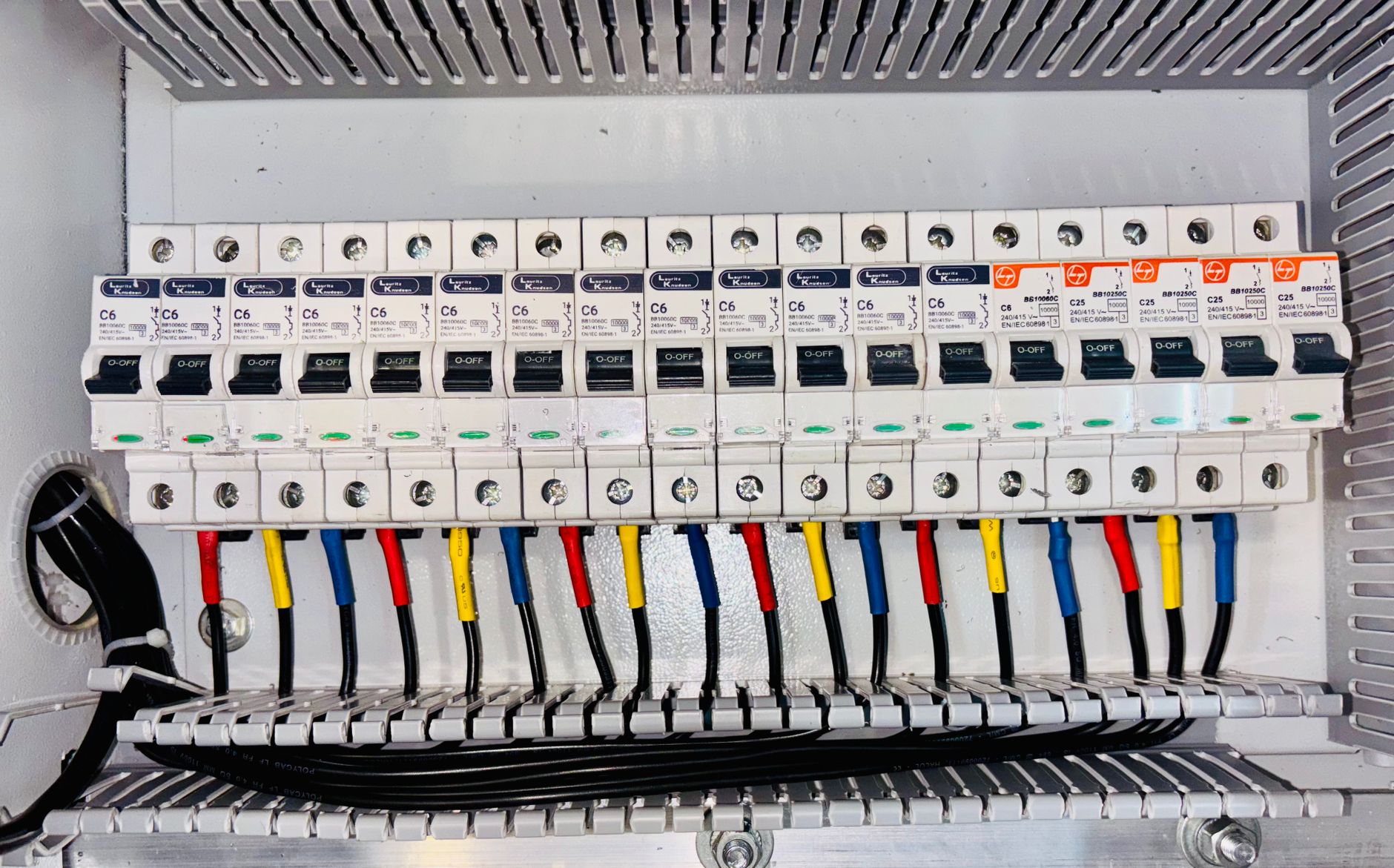
Ask three electricians what a switchboard upgrade costs in NSW and the honest ones will all give the same answer: it depends on the board. No two upgrades are quite alike, because the price is driven by what is already on the wall, what is behind it, and what the rest of the installation demands once the cover comes off. Rather than quoting numbers that would be wrong for most homes, this guide explains the factors that actually move the price, so homeowners can read a quote with confidence.
Why switchboard upgrade prices vary so much
A switchboard is the junction between the Ausgrid network and every circuit in the home, which means an upgrade can touch metering, consumer mains, earthing and the circuits themselves. A straightforward like for like replacement on a modern home is a very different job from bringing a 1960s weatherboard cottage with ceramic fuses up to the current AS/NZS 3000 wiring rules. The gap between the simplest and most involved versions of this job is enormous, and everything below explains where that gap comes from.
The main cost factors
Size and number of circuits
Every circuit in the home needs its own protection on the new board. A small unit with six circuits is a faster job than a large family home with sixteen, plus air conditioning, a pool and solar. More circuits means more safety switches, more terminations and more testing time.
Asbestos backing panels
Many older NSW switchboards are mounted on asbestos cement panels. Where one is present, it must be handled and disposed of following strict procedures, which adds labour, disposal requirements and sometimes a licensed removalist to the job. This is one of the most common surprises in older Central Coast homes.
Consumer mains, earthing and metering
If the cables feeding the board are undersized, deteriorated or non-compliant, they may need replacement at the same time, and metering changes can involve coordination with the retailer and Ausgrid. Upgrading the earthing system to current standards is another frequent add on for older properties.
Location and access
A board at chest height on an external wall is quick to work on. One buried in a hallway cupboard, mounted high, or needing relocation to meet clearance requirements takes longer, and relocation itself is effectively a second job on top of the upgrade.
Extras rolled into the job
Surge protection devices, provision for EV charging or solar, and repairing defects discovered once the old board is opened all influence the final figure. Reputable electricians will separate these items on the quote so the homeowner can see exactly what is essential and what is optional.
What the upgrade process involves
A proper upgrade starts with an inspection and a written quote, not a phone estimate. On the day, power is isolated, the old board is stripped, circuits are identified and tested, and the new board is fitted with a main switch and safety switches protecting every circuit. The electrician then tests the installation, labels the circuits, and issues a Certificate of Compliance for Electrical Work, which is the homeowner's proof the job meets NSW requirements. Most single home upgrades are completed within a day, though mains or metering work can extend that.
Compliance, and why the cheapest quote can cost more
Switchboard work sits at the safety critical end of the trade. In NSW it must be performed by a licensed electrician, and cutting corners here has a way of resurfacing as defect notices, insurance complications or genuine hazards. A very low quote sometimes means the asbestos panel, tired consumer mains or missing earthing simply have not been priced, and those discoveries then arrive as variations. Comparing quotes line by line, and engaging a licensed local electrician who inspects before pricing, is the most reliable way to avoid an unpleasant midpoint surprise.
Frequently Asked Questions
Does an older home always cost more to upgrade?
Usually, yes. Older homes are more likely to have asbestos panels, deteriorated consumer mains, outdated earthing and unlabelled circuits, all of which add time. The upside is that older homes also gain the most safety benefit from the upgrade.
Will asbestos in the switchboard increase the price?
It typically will, because the panel must be handled, removed and disposed of under strict safety procedures. Electricians on the Central Coast encounter this constantly in pre-1990 homes, so it should be assessed during the initial inspection rather than discovered mid job.
How long does a switchboard upgrade take?
A standard residential upgrade usually takes between half a day and a full day, with power off for much of that time. Jobs involving mains replacement, board relocation or metering changes can run longer and may need network coordination.
Is a switchboard upgrade actually worth it?
For homes with ceramic fuses or no safety switches, it is one of the most valuable safety investments available. It protects occupants from shock, reduces fire risk, supports modern loads like air conditioning and EV charging, and is often a prerequisite for solar installation.